
Cabo San Lucas
The busiest town, with condos near the marina and beaches, hillside homes in gated Pedregal and a strong restaurant and nightlife scene. Buyers here often value walkability, views and proximity to boating.


General information for anyone considering a vacation home, condo, villa or investment property in Cabo San Lucas, San José del Cabo and the wider Los Cabos region.
Many people who buy in Los Cabos first come to know it as visitors, renting villas in different areas before deciding where they would like to own.
This guide covers how the main areas differ, the property types to consider, practical questions about management and rental use, and the checks every buyer should make. It is general information, not legal, tax or financial advice. Rules and costs depend on the specific property and on your circumstances, so please work with qualified, independent Mexican professionals before committing to any purchase.
Cabos Vacation Rentals is not a law firm, tax advisor or financial advisor. We do not publish homes for sale on this website.
Each area has a different character, mix of property types and distance from the airport. Spend time in more than one before you decide.
The busiest town, with condos near the marina and beaches, hillside homes in gated Pedregal and a strong restaurant and nightlife scene. Buyers here often value walkability, views and proximity to boating.
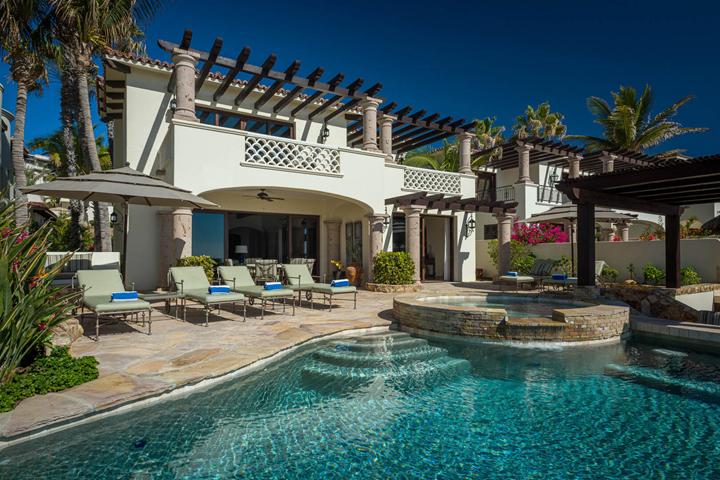
A more traditional town with a historic centre, galleries and a slower pace, plus beachfront areas and nearby residential communities. It is the closest town to the international airport.

Resort and golf communities between the two towns, such as Cabo del Sol and Punta Ballena, with many homes overlooking the Sea of Cortez. Buyers often weigh community amenities, beach access and HOA rules.
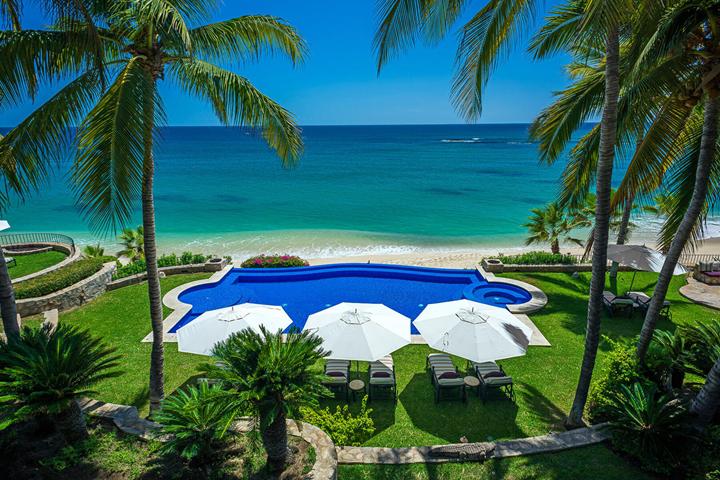
An established gated community at the San José end of the Corridor, with estates, villas and resort amenities. Villas del Mar is one of its enclaves; other communities buyers often look at include Querencia near San José and Diamante on the Pacific side.

A master-planned community east of San José del Cabo with a marina, golf and newer residential enclaves such as Fundadores. Ask about phases still under development, community fees and beach club arrangements.

Remote, lightly developed coastline north-east of San José. Properties can offer space and seclusion, but buyers should look closely at road access, power, water supply, internet and how far it is to services.
The right type of property depends on how often you will visit, how much upkeep you want to manage and whether you plan to rent it out.
Condos are often the simplest to own from a distance. A homeowners' association usually handles shared areas, security and amenities such as pools, and some buildings run their own rental programs. In return, you pay ongoing fees and follow building rules.
Villas and single-family homes offer privacy, outdoor space and room for family and friends, but you are responsible for the pool, gardens, staff and repairs, usually through a property manager when you are away.
Lots and land let you build exactly what you want, but involve permits, architects, contractors and close supervision of construction, all of which take time and local expertise.

| Type | Often suits | Things to weigh |
|---|---|---|
| Condo | Lock-and-leave owners, smaller groups, first-time buyers in the region | HOA fees and rules, rental restrictions, building reserves and condition |
| Villa / house | Families, larger groups, owners who want privacy and outdoor space | Maintenance, staffing, security, insurance, community rules |
| Lot / land | Buyers planning a custom home over a longer timeline | Zoning, permits, utilities, construction cost and supervision |
Think about how you will actually use the home. Questions worth asking yourself include:
Renting in different areas before you buy is one of the best ways to answer these questions. Our vacation rentals span most of the region.
Foreigners can and do buy property in Los Cabos, but the rules differ from those in the United States or Canada. Much of the region lies within Mexico's restricted zone near the coast, where foreign buyers generally hold residential property through a structure such as a bank trust (often called a fideicomiso) or, in some circumstances, through a Mexican company.
Which structure is appropriate depends on the property's location, how it will be used, whether it will earn rental income and your personal and tax situation. These are decisions to make with qualified Mexican legal and tax professionals, not on the basis of a website or a sales presentation.
Ownership rules, permits and taxes can change. Always confirm current requirements for your specific purchase with independent advisors.
Careful due diligence protects your investment. Ask your attorney to verify, at a minimum:
In Mexico, property purchases are formalized before a notario público, a specially appointed legal official. The notary's role is not the same as having your own lawyer, which is why many buyers also retain an independent attorney to represent their interests.
Financing options for foreign buyers in Mexico can be more limited than at home. Some buyers pay cash, some arrange financing in their home country, and some developments offer their own terms. Compare options carefully with lenders and advisors you trust.
Before you make an offer, ask your professionals to explain every cost involved, which may include transfer taxes, notary and registration fees, trust or company set-up and annual fees, appraisals, legal fees, closing adjustments and ongoing property taxes and HOA dues. Ask too about the tax implications of eventually selling the property. We do not quote these figures because they depend on the property and change over time.
Salt air, sun and humidity are hard on homes, so maintenance is a real, ongoing cost. If you will not live there full time, you will likely need a property manager. Questions to ask include:
Many owners rent their homes when they are not using them. Whether that is possible, and how well it works, depends on the property and the rules that apply to it. Before buying with rental income in mind:
No one can promise rental income, appreciation or resale value. Treat any projection you are shown as an estimate, and ask what it is based on.
Take this list to your attorney, accountant, real estate professional and the property's HOA.
A Los Cabos purchase involves Mexican property law, tax rules in more than one country and local practices that may be unfamiliar. An independent attorney works for you, not for the seller or the developer, and can review contracts, verify title and explain your options in plain language. A qualified accountant can explain the tax side of owning, renting and eventually selling.
Use professionals who are qualified and experienced in Mexican real estate, ask for written engagement terms, and make sure you understand every document before you sign it.

General answers only. Always confirm the details for your purchase with qualified professionals.
Yes. Foreign buyers purchase homes and condos in Los Cabos regularly. Because much of the region lies in Mexico's coastal restricted zone, foreigners generally hold residential property through a structure such as a bank trust (fideicomiso) or, in some cases, a Mexican company. The right approach depends on the property and your circumstances, so take advice from qualified Mexican legal and tax professionals.
At a minimum: clear registered title, no liens or disputes, that the land is not unconverted communal (ejido) land, valid permits and completion certificates, HOA rules and finances, and that taxes and fees are paid up to date. For beachfront homes, ask how the federal zone next to the sea affects the property. Your independent attorney should carry out these checks.
Cabo San Lucas is livelier, with the marina, nightlife and many condos close to town. San José del Cabo is quieter and more traditional, with a historic centre and easier airport access. The Corridor between them is home to many gated resort and golf communities. Visiting each area is the best way to decide.
The restricted zone covers land near Mexico's borders and coastlines, which includes most of Los Cabos. Foreigners can still acquire residential property there, generally through a bank trust or, in some situations, a Mexican company. Each structure has its own costs, obligations and implications, which your legal and tax advisors should explain before you commit.
Often, yes, but it depends on community and HOA rules, local registrations and permits, and tax obligations. Some communities restrict short-term rentals. Check the rules for the specific property and ask your advisors about taxes before buying with rental income in mind. Rental income is never guaranteed.
Ask who will inspect and maintain the home, manage the pool, gardens, staff and repairs, handle emergencies and storm preparation, and how fees and reporting work. If you plan to rent, ask who will market the home and look after guests.
An independent attorney represents you rather than the seller or developer. They can verify title, review contracts and trust documents, explain your obligations and help you avoid costly mistakes in a legal system that may be unfamiliar to you.
Ask about transfer taxes, notary and registration fees, trust or company set-up and annual fees, appraisals, legal fees, closing adjustments, property taxes, HOA dues, insurance, maintenance and management, and the taxes that may apply if you rent or later sell the property.
Tell us what you are looking for and which areas interest you. We will reply personally, and we will always encourage you to take independent legal and tax advice.
This page provides general information only and is not legal, tax, financial or investment advice. Cabos Vacation Rentals does not guarantee rental income, appreciation or resale value.